San Diego Water Damage Company sends licensed, IICRC-certified technicians to homes and businesses across Aniwa, WI — day or night, weekends and holidays included. We stop the damage, dry the structure, and document everything your insurance company needs.


Property owners in Aniwa don't call a restoration company on a good day — they call because something has already gone wrong, and often at an inconvenient hour. We built our Aniwa operation around that reality: real people answering the phone, technicians who explain what's happening in plain language, and a process that doesn't leave you wondering what comes next.
We're not a national call center reading from a script — we're a Aniwa-area crew of licensed, IICRC-certified technicians who understand local building materials, local weather patterns, and what your insurance adjuster is going to ask for. That local knowledge is why homeowners and property managers across Aniwa keep our number saved.
We carry full general liability coverage and hold active state licensing, so you can let us into your home or business with confidence. Our trucks stay stocked with commercial-grade extraction equipment, air movers, and dehumidifiers so we never have to make a second trip for basic gear.
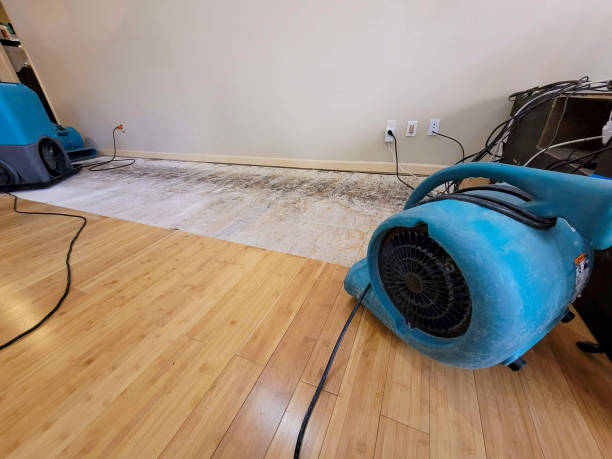
A lot of Aniwa companies stop once the surface looks dry. We don't. Our technicians use moisture meters and thermal cameras to confirm materials are dry all the way through, because hidden moisture is exactly what leads to mold, warping, and repeat repairs down the road.
Our Aniwa office keeps trucks stocked and technicians on rotating call so that no matter when disaster strikes — 2pm on a Tuesday or 3am on a holiday weekend — someone is available to answer the phone and start the response process immediately. We know that water damage doesn't check a calendar before it happens, so neither do we.
Every water loss is different, which is why we run a full range of Water Damage Repair services rather than a one-size-fits-all playbook. Here's what our Aniwa crews handle most often.
Burst pipes, sewage backups, and sudden flooding don't wait for business hours — neither do we. Our Aniwa emergency crews arrive with truck-mounted extraction units to pull standing water out fast, then move straight into drying and containment.
Our residential Water Damage Repair service walks Aniwa homeowners through every stage: extraction, structural drying, sanitizing, and rebuild — with clear updates so nothing feels like a mystery at any point.
Downtime costs money, so our commercial Water Damage Repair teams work around your Aniwa business's schedule wherever possible, using industrial drying equipment to get you reopened faster and with less disruption.
If mold has already started, our Aniwa technicians identify affected materials, contain the area, and remediate safely before rebuilding — protecting your family or tenants' air quality throughout the process.
Once your Aniwa property is dry, our reconstruction team handles drywall, flooring, trim, and paint — so you deal with one company from the emergency call to the finished repair, no handoffs.
We photograph, measure, and log every stage of the Water Damage Repair process in Aniwa so your insurance claim moves faster and with fewer disputes over scope or coverage.
Anyone can put "certified" on a website. Here's what actually stands behind that word at San Diego Water Damage Company.
Before a technician ever responds to a Aniwa call solo, they complete IICRC-recognized training covering water damage restoration fundamentals, drying science, and safety protocols for contaminated water. Many of our senior technicians also hold applied structural drying certification for more complex losses.
We also require background checks and drug screening for every Aniwa team member, and technicians recertify periodically as industry standards evolve. That consistency is part of why Aniwa customers trust the crew we send.
After years of responding to Aniwa properties, a handful of causes show up again and again. Here's what to watch for.
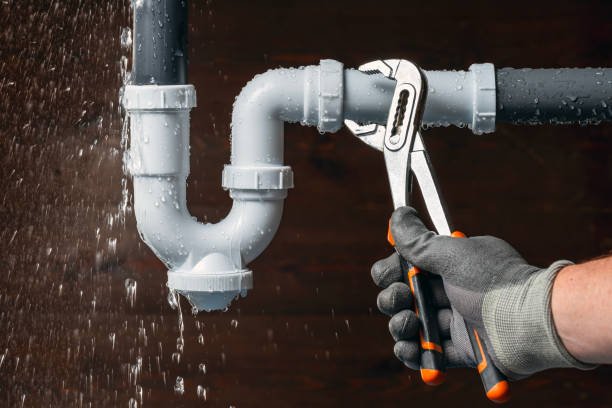
Aging plumbing, sudden temperature swings, and worn supply lines are among the most common reasons Aniwa residents call us. A single burst pipe can release hundreds of gallons before it's noticed, especially overnight.
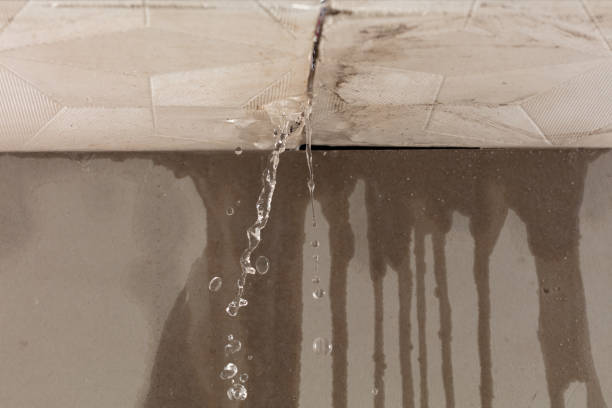
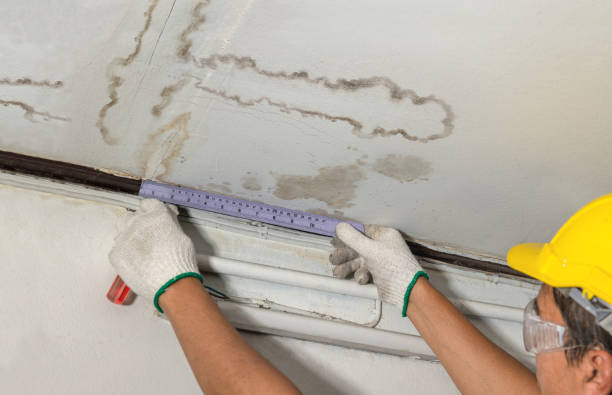
Storm damage often shows up first as a small ceiling stain in Aniwa properties, but by the time it's visible, water has usually already reached the insulation and framing underneath.
Clogged municipal lines, tree root intrusion, and sump pump failures can send contaminated water back into Aniwa basements and lower levels, requiring specialized cleanup and sanitizing.
A slowly failing water heater in a Aniwa home can leak for weeks before it's discovered, often causing more structural damage than a sudden pipe burst would.
Improper grading around a Aniwa property's foundation can direct rainwater toward the structure instead of away from it, leading to chronic basement or crawlspace moisture over time.
After a fire is out, the water used to fight it often causes its own separate restoration need across affected Aniwa floors and rooms, sometimes worse than the fire itself.
We keep the process simple and predictable, even when the situation at your Aniwa property feels anything but.
Our dispatcher gathers the basics — location, type of water, affected areas — and gets a technician moving right away.
Our Aniwa crew shows up in a marked vehicle, walks the property, and identifies every affected area before touching equipment.
We remove standing water first, then move to saturated materials like carpet pad, drywall, and subfloor.
We track drying progress with moisture meters, adjusting equipment placement across your Aniwa property as needed.
We finish with a full walkthrough so you can confirm everything meets your expectations before we consider the job complete.
Every step is photographed and logged, so your insurance claim has the documentation it needs from day one.
We'd rather explain our guarantee plainly than bury it in fine print. Here's exactly what it means for Aniwa customers.
If our Aniwa technicians miss moisture somewhere, or if a drying target isn't actually met before equipment was pulled, we come back and correct it at no additional cost to you. That's true whether the issue is found the same week or discovered a month later during a routine check. We'd rather fix a mistake than have a Aniwa customer discover a problem on their own.
We also stand behind our estimates. If we quote a scope of work and later discover the actual damage requires less work than expected, you pay for what was actually needed — not the original estimate. And if something turns out to be more extensive once we open up a wall or pull flooring, we stop, explain what we found, and get your approval before continuing.
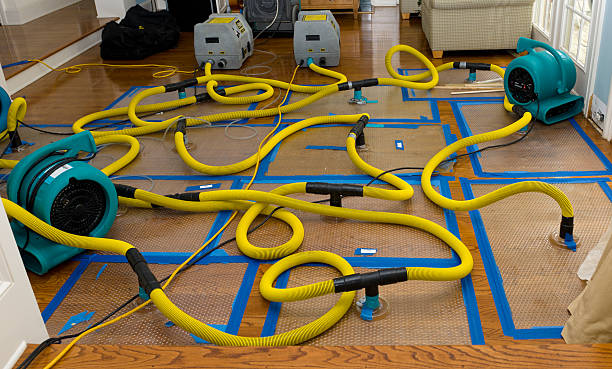
Every Aniwa vehicle in our fleet is stocked with commercial extraction pumps, industrial dehumidifiers, air movers, and thermal imaging cameras — the same tools used on large-scale commercial losses, scaled down for residential jobs.
Where a household fan just circulates air, our equipment is engineered to extract moisture from the structure itself — from drywall, subfloor, and framing — which is the only way to prevent the mold growth that hidden dampness eventually causes.

Mold, warping, and structural damage set in fast. Reach out the moment you notice water, and we'll have a technician heading your way.
📞 +1-844-499-0972Anyone can promise fast service. Here's what San Diego Water Damage Company actually delivers to every Aniwa customer.
You'll know the cost before work begins — no surprise line items on the invoice, and no pressure tactics to upsell services you don't need.
We stage locally so Aniwa calls don't sit in a queue waiting for a crew from across the state — you get a nearby technician, not a distant dispatch office.
Every technician meets IICRC S500 standards and carries full insurance for your protection, so you're never taking on liability by letting us in.
We work directly with most major insurers and document everything your adjuster needs, so you're not stuck translating technical jargon yourself.
Our Aniwa crews don't consider a job finished until you're satisfied with the result, not just when the invoice is paid.
We understand common construction types and drainage issues across Aniwa neighborhoods, which helps us diagnose problems faster than an out-of-town crew could.
We could tell you we're fast and thorough — or you can hear it from Aniwa property owners who called us during a real emergency.
"Our water heater failed overnight and by the time we woke up the hallway carpet was soaked. San Diego Water Damage Company had a technician here within the hour and walked us through every step, and the whole area was dry within a few days."
"We manage several buildings in Aniwa and San Diego Water Damage Company has become our go-to for any water event. Communication is excellent and the billing is always straightforward, no surprises on the invoice."
"After a bad storm our crawlspace flooded and started smelling musty within a day. San Diego Water Damage Company's team treated it thoroughly and checked back to make sure the moisture readings stayed down before closing the job."
"Our restaurant had a supply line break in the kitchen right before a weekend rush. San Diego Water Damage Company came out immediately and worked around our hours so we barely lost any business, which honestly saved our weekend."
"What impressed me most was the honesty. They told us upfront what was salvageable and what wasn't, instead of running up unnecessary charges we didn't need."
Plenty of Aniwa homeowners try to handle a small water event themselves before calling us. Here's what usually gets missed.
The visible water on your Aniwa floor is often only part of the problem. Water wicks upward into drywall, travels along subfloor seams, and pools inside wall cavities where a rented fan will never reach it. Without professional-grade dehumidification and moisture monitoring, that hidden dampness can sit for weeks, quietly feeding mold growth long after the surface looks and feels dry to the touch.
There's also the insurance side to consider. Without professional documentation — moisture readings, photos, a written scope of work — it can be much harder to support a claim if secondary damage shows up later. Our Aniwa technicians build that documentation as part of every job, protecting you if issues surface down the road.
If the water was minor, contained, and cleaned up within an hour or two, DIY handling is often fine. Once it's soaked into materials or sat for any real length of time, though, a professional assessment is the safer move for your Aniwa property.
The minutes before our Aniwa crew arrives matter. Here's what our dispatchers typically recommend, situation permitting.
Turning off the source, if it's safe to do so, is often the single most effective thing you can do before help arrives.
If water is anywhere near electrical panels or outlets in your Aniwa property, stay away and avoid that area entirely.
If it's safe, move furniture, electronics, and important documents away from the affected area or up off the floor.
Snap photos or video of the affected areas before anything is moved — this helps your insurance claim later.
Some airflow can help, but don't rely on it alone — professional drying equipment is still necessary to prevent mold.
Delaying the call is the most common mistake we see. Standing water only gets more expensive to fix the longer it sits.
Filing an insurance claim after a water loss can feel overwhelming on top of everything else — our Aniwa team handles the documentation side so you don't have to.
As soon as our Aniwa crew starts work, they're also building your claim file — photographing every affected area, logging moisture readings at each visit, and preparing a detailed scope of work. That documentation is often the difference between a claim that gets approved quickly and one that drags on for weeks.
We also offer direct billing arrangements with many major insurers serving the Aniwa area, meaning in eligible cases you may not need to pay the full cost out of pocket up front and wait for reimbursement. Ask our team about your specific policy and we'll explain how the billing process would work for your situation.
Our Aniwa service footprint covers residential neighborhoods, commercial districts, and everything in between.
If you're unsure whether we cover your specific Aniwa address, one quick call to +1-844-499-0972 will confirm it on the spot.
From dense Aniwa neighborhoods to properties further out on the edge of our service area, we've structured our crews and equipment placement so that response time doesn't depend on luck — it depends on planning.

From historic single-family homes to modern commercial buildings, Aniwa's property mix is diverse — so is our equipment.
Aniwa is home to a wide mix of property types — from older single-family homes with original plumbing to newer multi-family developments and commercial corridors. Each of those property types responds to water damage a little differently, and our Aniwa technicians are trained to recognize those differences rather than applying a one-size-fits-all approach. Older homes, for example, often have plaster walls and original hardwood that require different drying techniques than modern drywall and engineered flooring.
Local familiarity also means we understand which parts of Aniwa tend to see more basement flooding, which neighborhoods have older plumbing infrastructure, and where storm drainage tends to back up — all of which helps us respond faster and more effectively.
The map below shows our general Aniwa coverage footprint. Call +1-844-499-0972 to confirm coverage for your exact address.
One call to +1-844-499-0972 gets a certified Aniwa technician heading your way — 24 hours a day, 7 days a week, including holidays.
📞 Call +1-844-499-0972 — Aniwa 24/7 Line